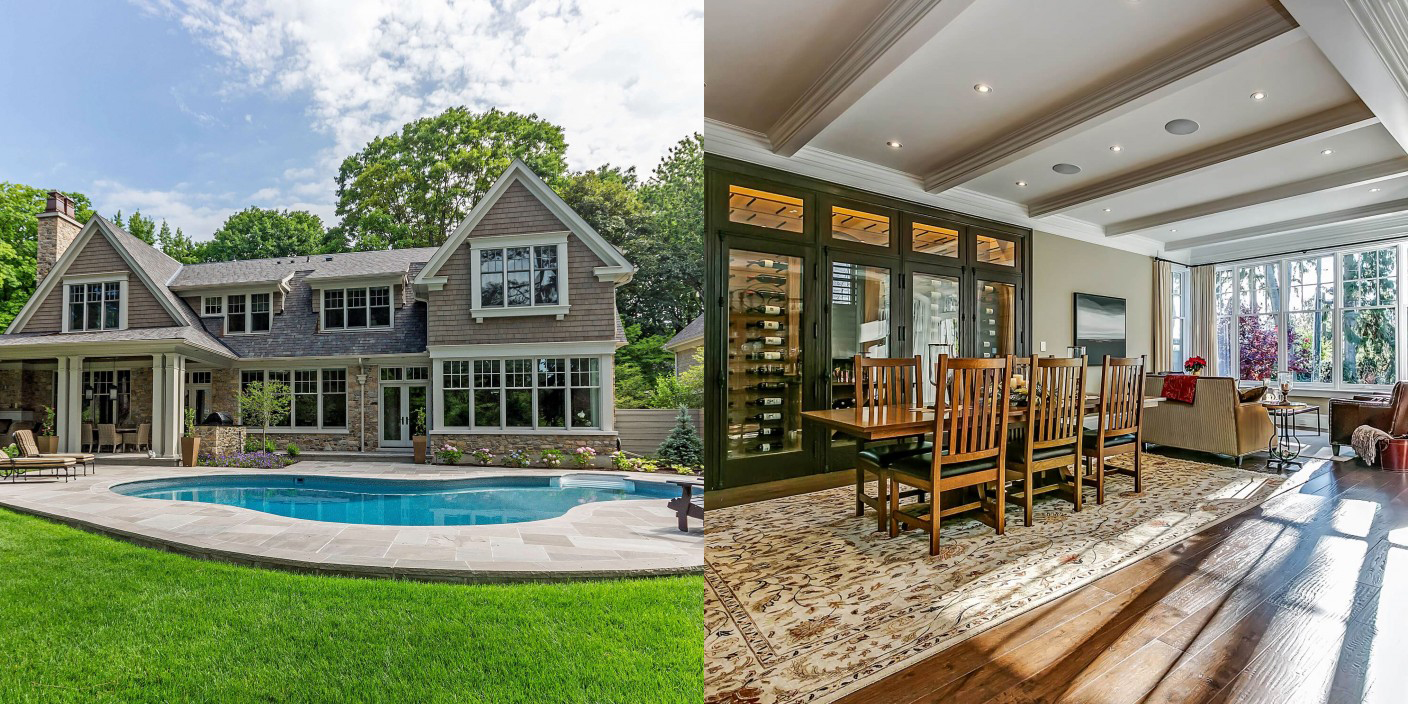
In Ontario, a home built with real intention is rarely defined by finishes or floor plans. What tends to stay with people are the smaller, quieter moments. A kitchen that somehow always had someone leaning against the island talking long after dinner ended. Shoes left by the back door during a busy Saturday. The sound of a fireplace running in the background on a winter evening when the house finally slows down.
These are the details that don’t make it into brochures, but they’re the ones families remember years later.
That is where the idea of luxury legacy homes in Ontario begins to shift. It’s no longer about appearance or scale. It becomes about how a home holds a family’s rhythm over time.
Chatsworth Fine Homes approaches this idea with a simple belief: a home should not just suit the moment you build it, but the life you will grow into inside it. Something steady. Something that quietly stays relevant as everything else changes around it.
Quick answer
Luxury legacy homes in Ontario are designed for decades, not trends: durable materials, rooms that adapt as families change, and craftsmanship worth passing down. Chatsworth builds this way in Caledon, Elora and Oakville – homes meant to hold family life long after the first owners.
What Makes a Home Timeless
Timeless homes rarely announce themselves. You notice them more through how they feel than how they look. The materials feel considered, not forced. Spaces flow in a way that seems natural rather than designed for effect. Nothing feels overly tied to a specific year or trend, which is often why they continue to feel right long after they are built.
In Chatsworth Fine Home projects, this idea shows up in restraint. Rooms are not overdesigned. They are shaped around how people actually move through a day. Morning light in the kitchen. A quiet corner where someone reads without thinking about it. Spaces that don’t demand attention but hold it comfortably when needed.
Timelessness also comes from balance. Not everything needs to impress. Some spaces simply need to work, and work well for decades. When that balance is right, the home starts to feel less like something built and more like something that settled into place naturally over time.
The Spaces Families Remember Most
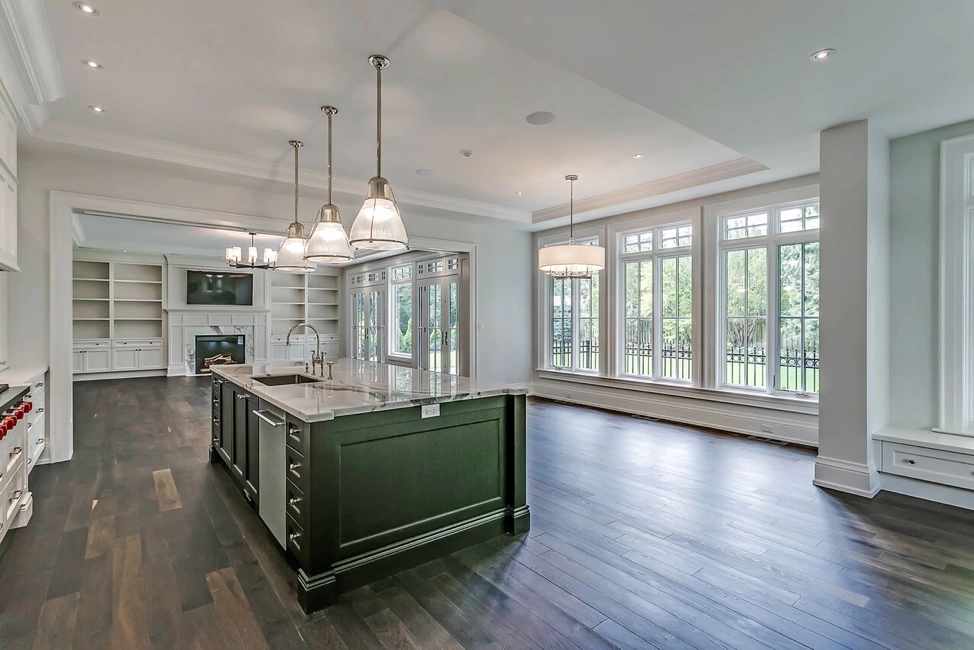
Ask most people about the home they grew up in, and they rarely start with architecture. They talk about where life happened.
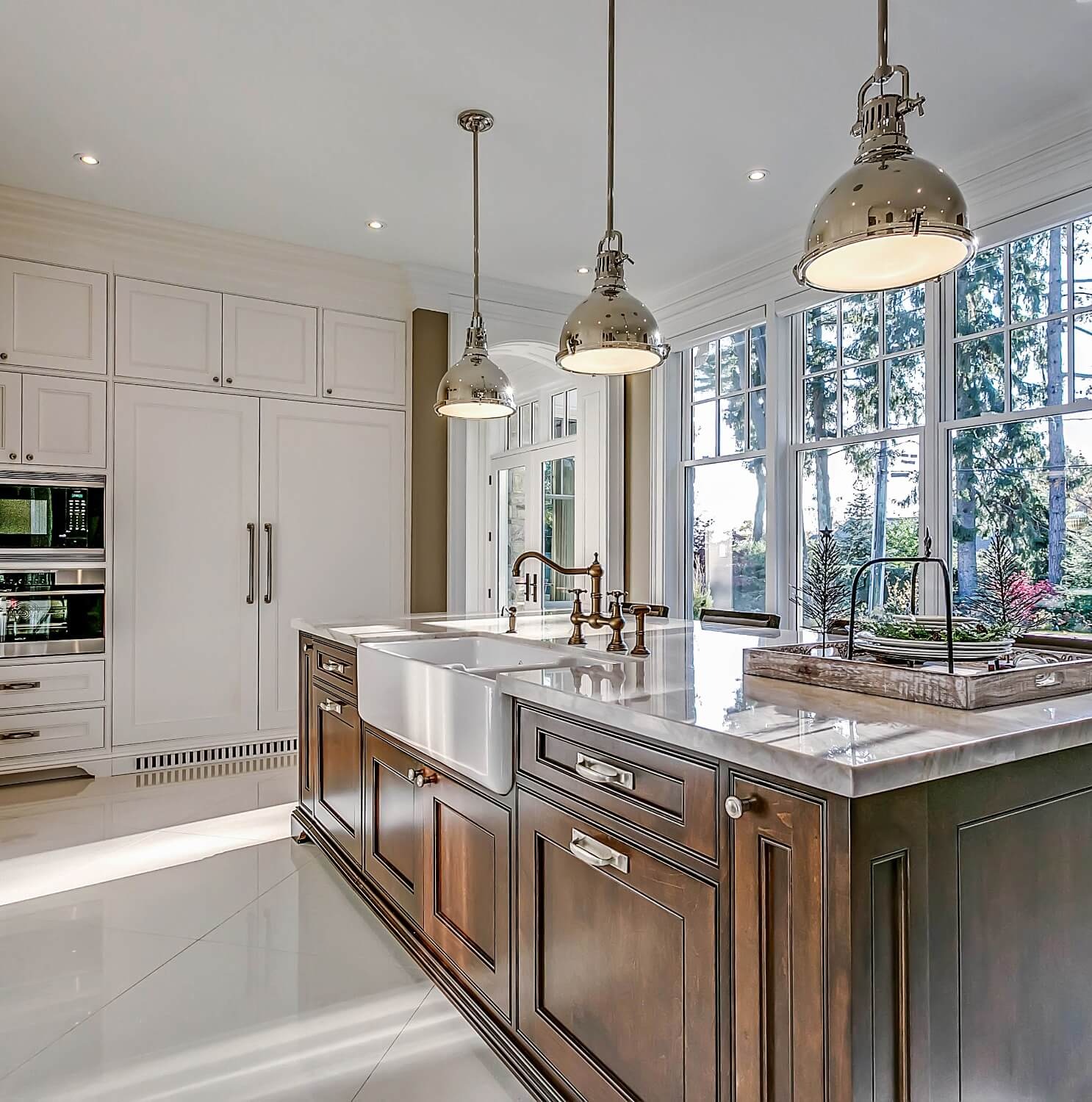
The kitchen is often at the center of it. Not in a staged way, but in a lived-in one. Someone doing homework at the counter while dinner is being prepared. A parent leaning over to stir something while continuing a conversation that started hours earlier. The smell of food lingering longer than expected because no one is in a hurry to leave the table.
Other spaces hold their own memories too. A mudroom that quietly absorbs the chaos of daily life. A living room where everyone naturally gathers without planning it. Bedrooms that feel like retreat spaces after long days, not just places to sleep.
In Chatsworth homes, these spaces are not treated as separate design moments. They are connected. The flow between them is what allows life to move without friction, which is often what makes a home feel memorable in the first place.
Why More Families Are Building With the Long Term in Mind
There is a noticeable shift happening in how families think about building homes in Ontario. It is less about building quickly and more about building with intention.
People are asking different questions now. Not just how a home looks when it is finished, but how it will feel in fifteen or twenty years. Whether it will still make sense when children grow up, when routines change, when life looks different than it does today.
This is where the idea of permanence becomes important. Families are choosing to build once, and build properly. Not in an excessive way, but in a way that prioritizes durability, comfort, and adaptability.
Chatsworth Fine Homes often works with clients who are thinking this way from the beginning. Spaces are considered for how they might evolve. A room that serves one purpose today may need to support something completely different later. Instead of designing for a single version of life, the focus becomes flexibility without losing character. It is less about predicting the future, and more about being ready for it.
Craftsmanship That Respects the Future
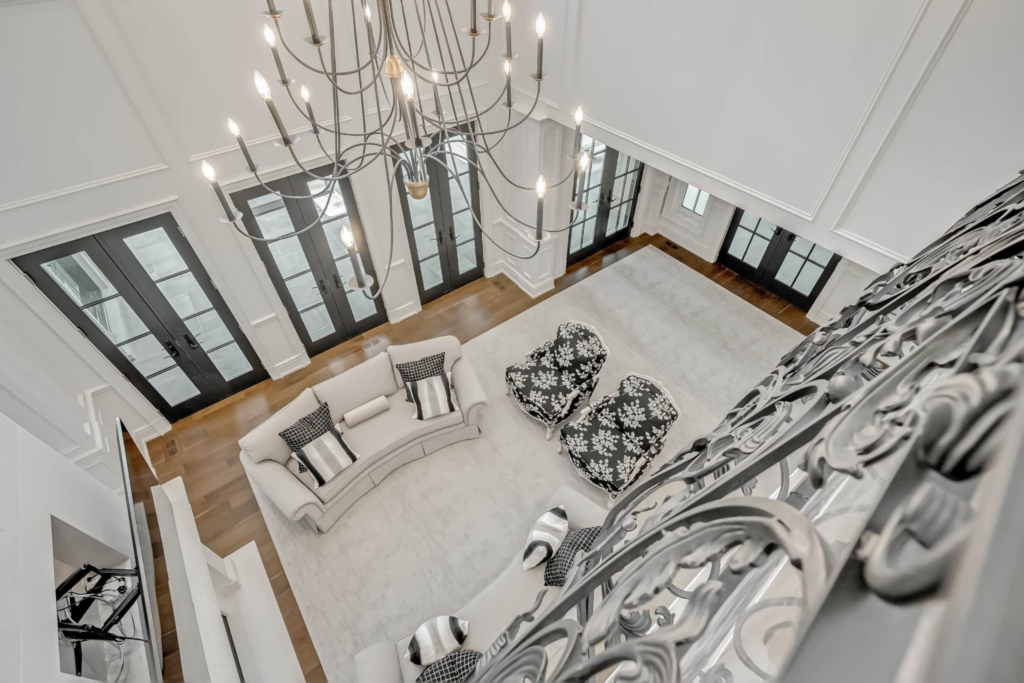
Good craftsmanship is not always immediately visible. Sometimes it is felt in the quiet reliability of a home years after it is built. Doors are still closing the same way. Materials age in a way that feels natural rather than worn down. Spaces that continue to function without constant correction.
At Chatsworth Fine Homes, craftsmanship is treated as a long-term responsibility rather than a short-term achievement. It is about making decisions today that won’t feel questionable later. That includes how materials are chosen, how details are resolved, and how the home will age as it is lived in.
There is also a sense of restraint in this approach. Not everything needs to be decorative or complex. In fact, simplicity often holds up better over time. When the construction is thoughtful, the home does not rely on constant updates to stay relevant.
The result is not just a finished house. It is a structure that continues to feel steady as life unfolds inside it.
Homes That Reflect the Land, the Family, and the Future
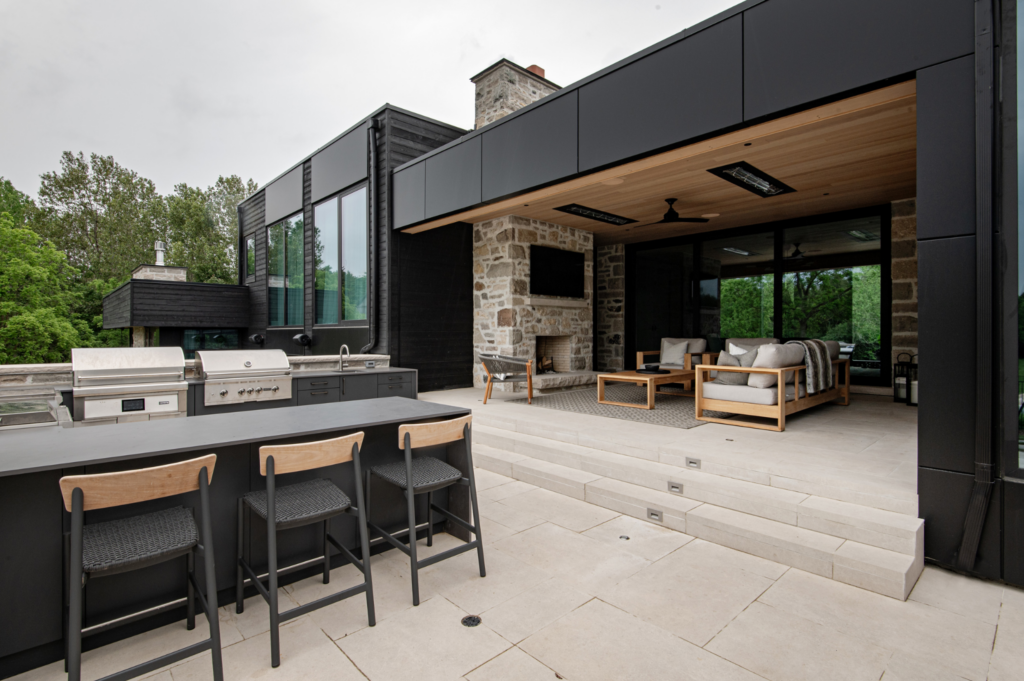
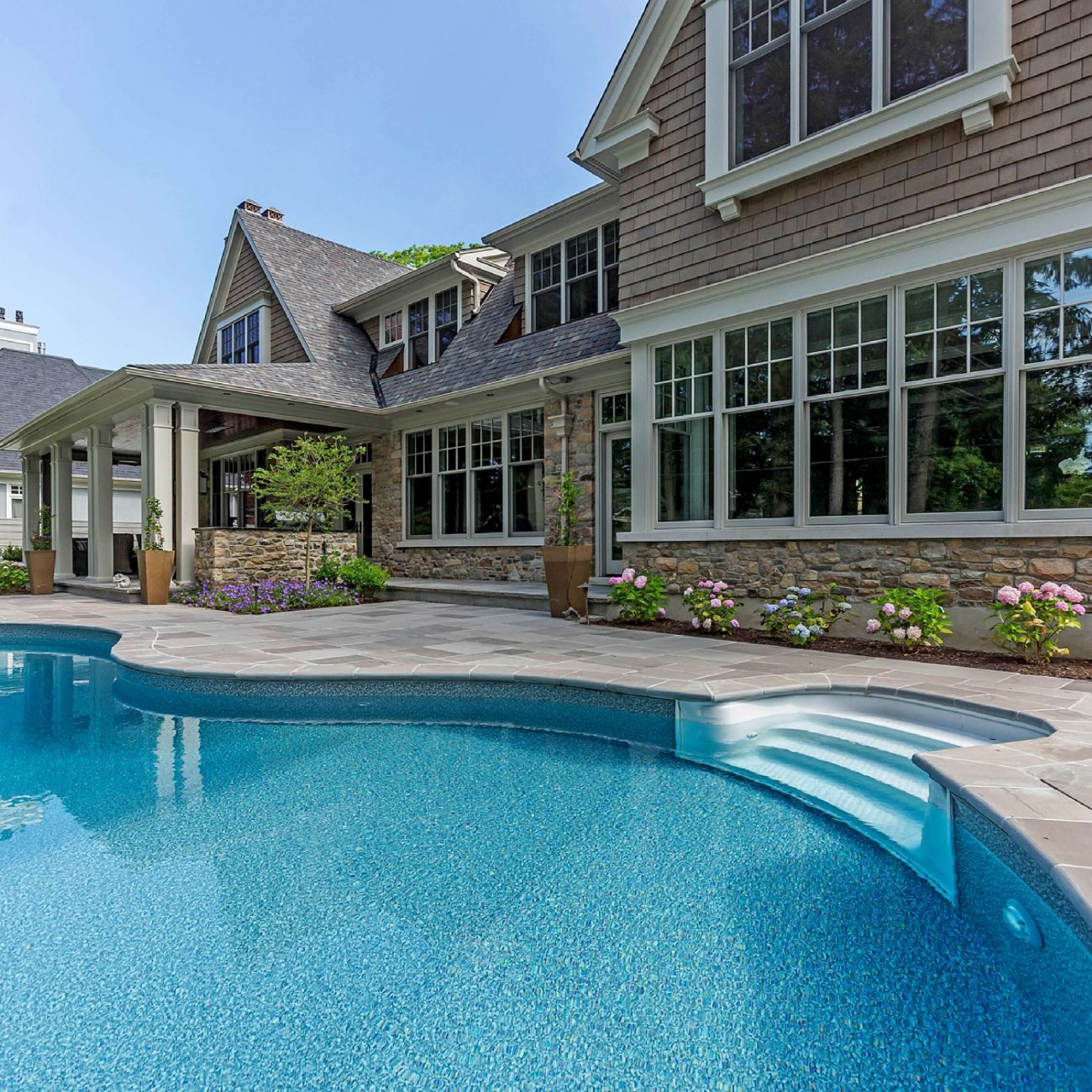
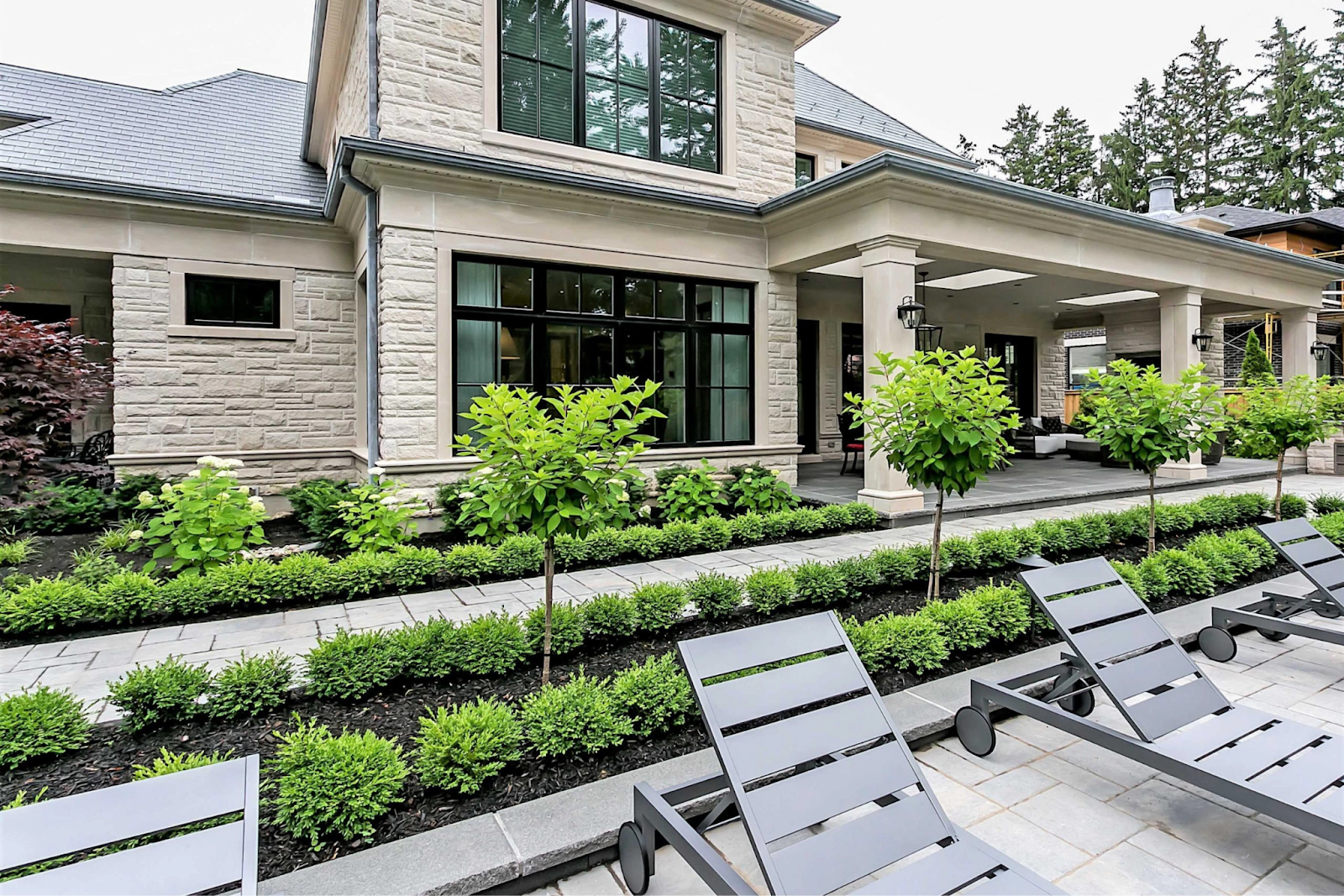
The Caledon project is a clear example of how a home can feel connected to its surroundings without forcing itself onto the landscape. There is a quietness to it. The kind that comes from a building that respects what is already there rather than competing with it.
Inside, the focus is not on excess, but on how the home supports everyday living. Spaces feel open without being empty. Rooms connect in a way that encourages people to gather naturally, especially during family moments that tend to matter more than planned occasions.
In Elora, the feeling shifts slightly. There is warmth in the materials and a sense of character that develops as you move through the home. It feels lived-in even when it is new, which is often what gives a space its longevity.
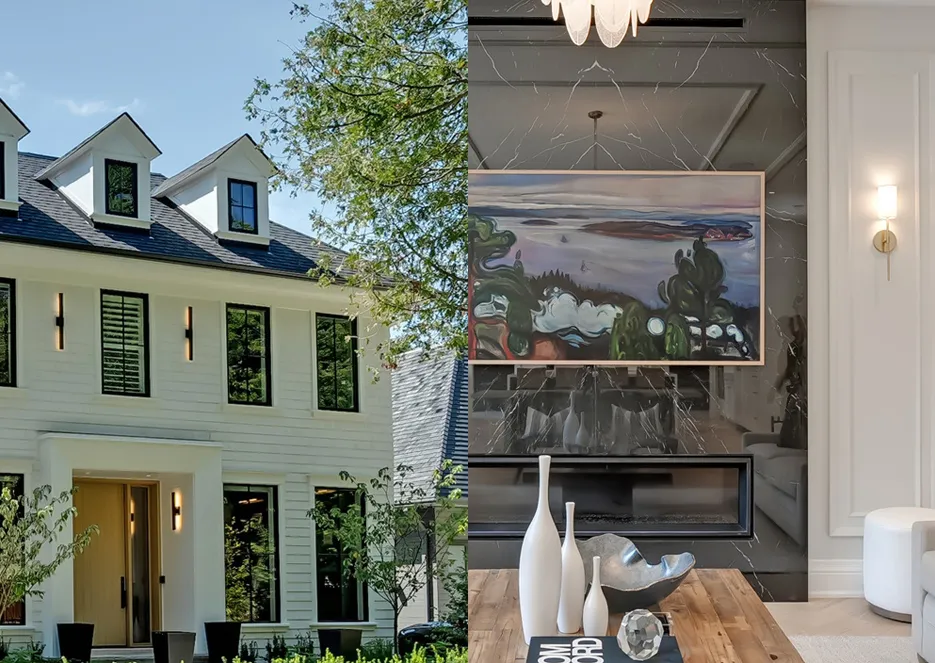
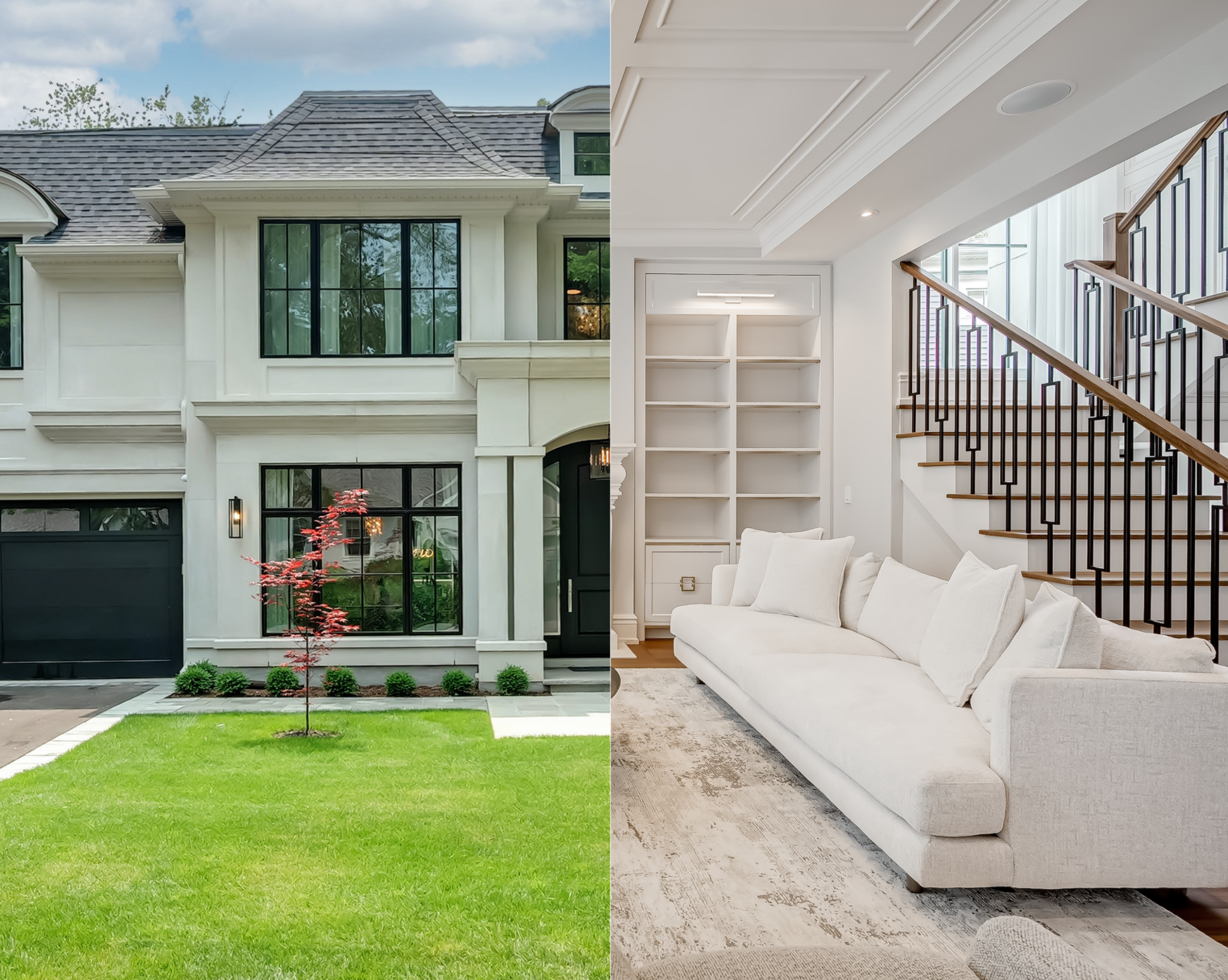
The Oakville project brings another layer, balancing family life with entertaining in a way that feels unforced. Nothing feels overly formal. The home adapts depending on how it is being used, which is often the difference between a house that looks good and one that actually supports daily life.
Across these projects, the common thread is not style. It is longevity in how the homes are experienced.
A Home That Stays With You
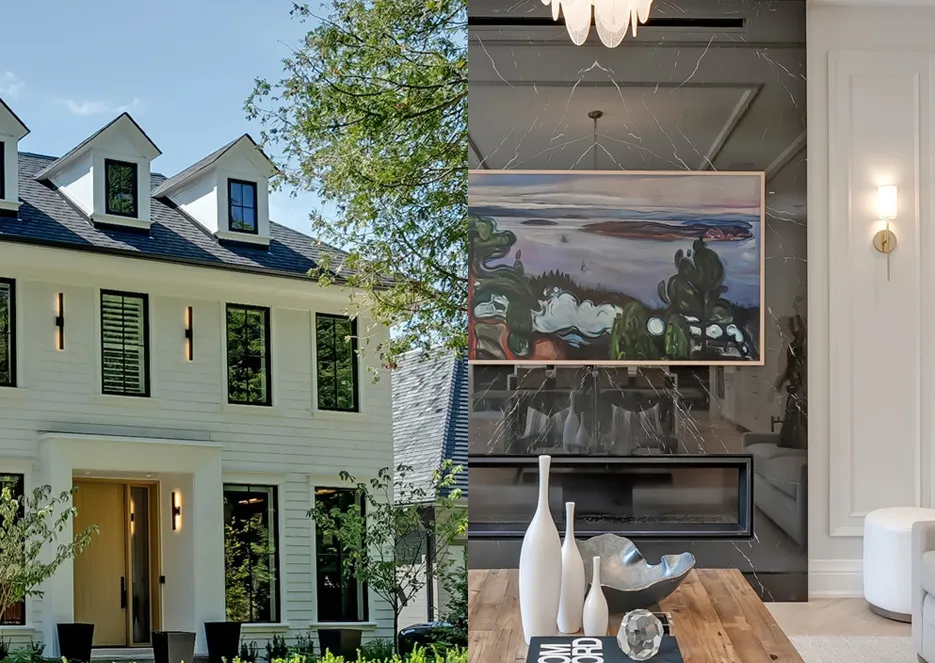
A home built with real intention doesn’t fade into the background of a family’s life. It becomes part of it. Not in a loud or obvious way, but in the small routines that quietly repeat over time. The morning light that always lands in the same corner of the kitchen. The familiar sound of footsteps on the stairs. The way certain rooms seem to collect people without ever asking them to.
When families think about luxury legacy homes in Ontario, it often starts as a conversation about design or location. But over time, it becomes something more personal. It turns into a question of what you want to carry forward. What you want your children to remember without trying. What kind of stability you want a home to offer when everything outside it keeps changing.
Chatsworth homes are built with that long view in mind. Not to stand apart from life, but to hold it gently as it unfolds year after year. The most enduring homes are rarely the ones that try to impress at the moment. They are the ones that continue to feel right long after the details that once defined them have been forgotten.
Frequently Asked Questions
What makes a luxury legacy home different from other homes?
A luxury legacy home is built to last beyond trends. The focus is on how it will feel and function over time, not just how it looks at completion. It’s built with lasting materials, thoughtful layouts, and a sense of permanence that supports family life for decades.
How do you choose the right location for a luxury legacy home in Ontario?
It usually comes down to lifestyle and long-term comfort. Many families look for privacy, access to nature, strong communities, and proximity to schools and essentials. The goal is choosing a setting that supports daily life now and still feels right years down the line.
What features are common in luxury legacy homes?
They are defined more by intention than by a checklist. You’ll often find adaptable layouts, natural materials, strong indoor-outdoor flow, and spaces built to evolve with a family over time.
How do luxury legacy homes support sustainability?
Sustainability shows up in durability and long-term thinking. That includes energy-efficient systems, responsible material choices, and build decisions that reduce the need for constant renovation or replacement.