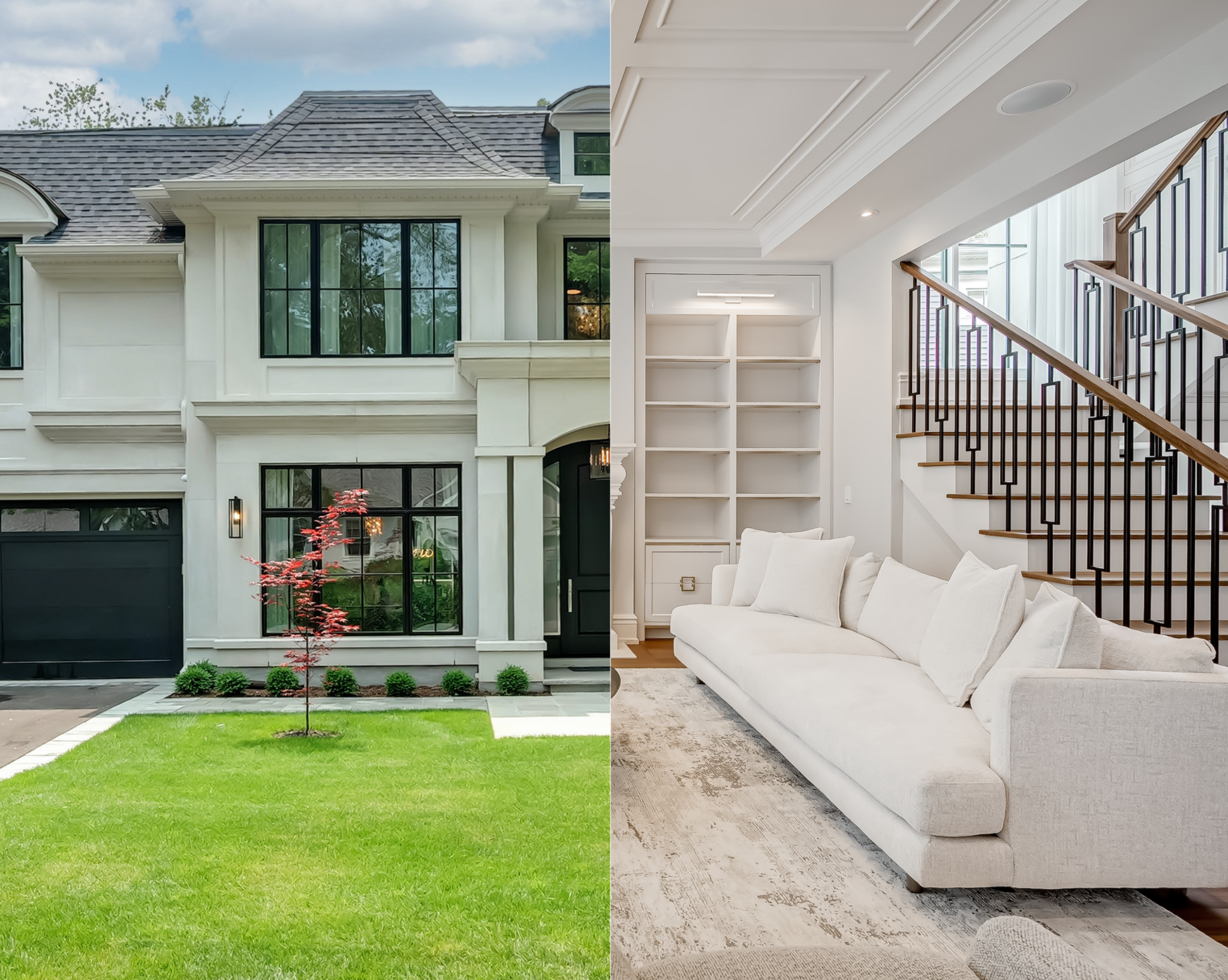
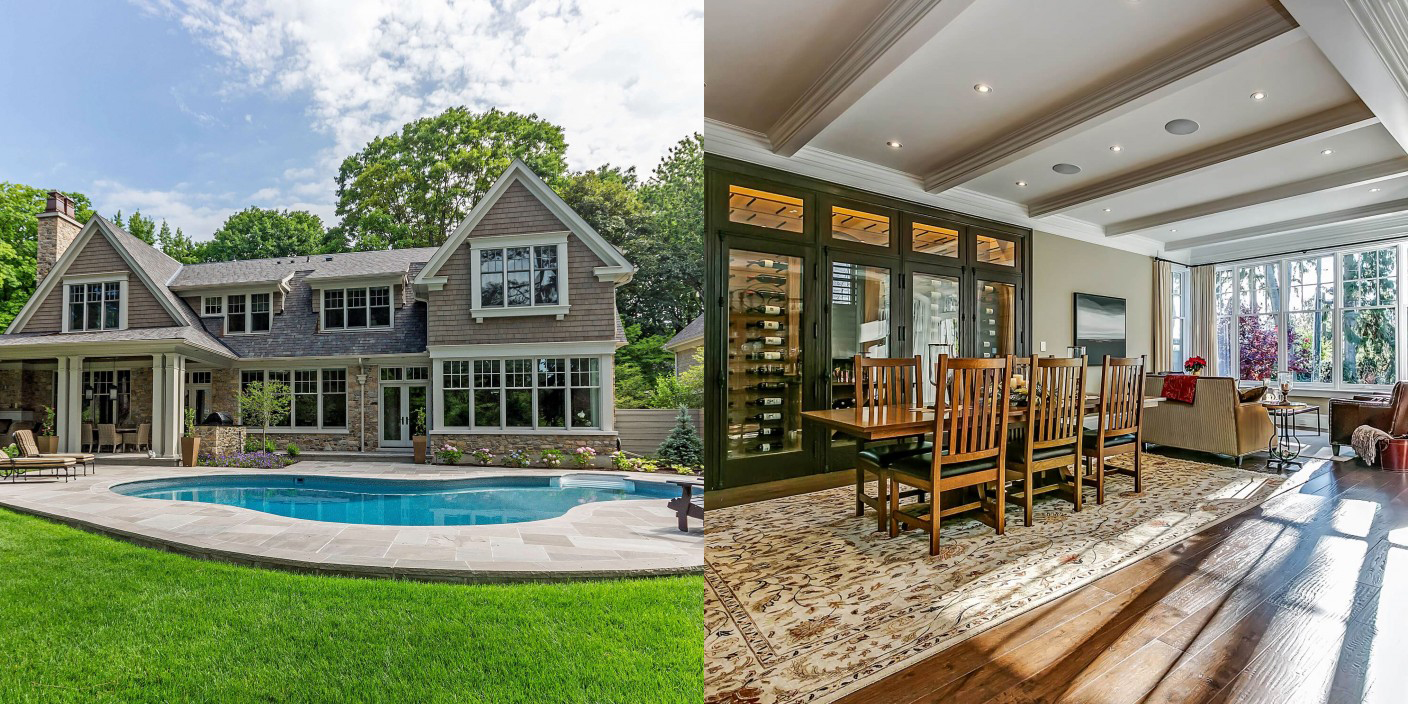
Building a luxury home starts long before construction begins. It starts with the quiet questions most homeowners do not say out loud. How much should we invest? Where does it make sense to spend more, and where should we be disciplined? Budgeting for a custom home is not about limiting your vision. It is about protecting it.
In Ontario, luxury home costs are shaped by land, design complexity, material selection, and the level of craftsmanship involved. Without a clear financial plan, even the best ideas can feel overwhelming. That is where structure and experience matter.
At Chatsworth Fine Homes, budgeting is treated as part of the design process, not a separate exercise. Before drawings are finalized or finishes are selected, the team works closely with clients to align lifestyle goals, investment expectations, and long-term value. Through thoughtful planning, trusted trade partnerships, and a transparent pre-construction process, Chatsworth helps clients move forward with clarity instead of uncertainty.
When financial planning is done well, confidence replaces stress. Decisions feel intentional. And the home you are building begins to feel achievable, not just aspirational.
Quick answer
Budgeting for a custom home starts long before construction: define your investment range, set priorities between space and finishes, and use a pre-construction agreement to price the design honestly. A disciplined budget protects creativity – decisions get made once, on paper, instead of twice on site.
Hooking Into Your Luxury Home Dreams
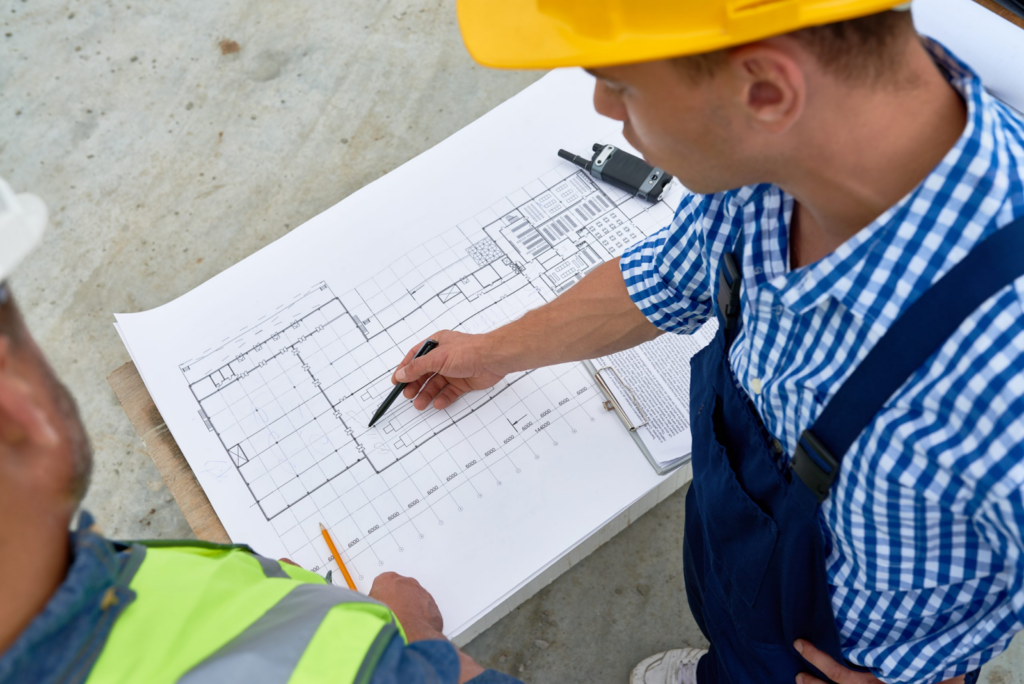
Every custom home begins with a feeling before it becomes a plan. It might be the way you want mornings to unfold in a light-filled kitchen, or how evenings should slow down in a space designed for quiet and comfort. Before numbers enter the conversation, it helps to get clear on how you want to live.
Start by identifying what truly matters to you. Architectural style plays a role, but lifestyle matters more. Think about how your home needs to support your daily routines, your family, and the way you host or retreat. These priorities become the foundation for budgeting for a custom home because they guide where investment makes the most sense.
Location is part of that picture. In Ontario, luxury home costs are shaped as much by land as by design. Proximity to schools, work, nature, and community all influence long-term value. Taking time to understand how location aligns with your lifestyle helps prevent compromises later.
A vision board can be helpful, but clarity comes from asking better questions. Which spaces need to feel expansive? Where can simplicity serve you better? When your vision is rooted in how you want to live, budgeting becomes a tool for alignment rather than limitation.
Why Spring Is the Ideal Time to Review Financial Goals
Spring creates a natural pause point. Tax season offers a clear snapshot of your finances, and that clarity makes it easier to plan with confidence. For homeowners thinking about custom home planning in 2026, this timing is especially important. Early financial alignment creates flexibility and better decision-making later.
From a construction perspective, spring planning supports smoother timelines. Design development, pre-construction budgeting, and trade scheduling all benefit from an early start. When financial goals are reviewed in spring, there is time to make thoughtful choices rather than rushed ones.
Spring is also when many homeowners reassess savings, credit, and long-term investments. Understanding your borrowing capacity and cash flow early helps shape a realistic building cost planning strategy. Instead of reacting to costs as they arise, you move forward with intention.
There is also peace of mind in starting fresh. Organizing financial documents, reviewing investment priorities, and speaking with advisors now reduces stress later. A calm financial foundation supports better creative decisions as the home takes shape.
Understanding Pre-Construction Agreements and Budgeting Clarity

Pre-construction is where confidence is built or lost. This phase defines scope, expectations, and cost parameters long before construction begins. A strong pre-construction agreement does more than outline numbers. It creates transparency.
During this stage, budgets are refined through drawings, specifications, and collaboration with trades. Fixed-price and cost-plus structures each serve different goals, and understanding how they function is essential. What matters most is clarity around allowances, contingencies, and how decisions affect the overall investment.
Timelines are equally important. Knowing when decisions must be made allows you to plan financially and emotionally. Payment schedules, deposits, and milestone-based billing should never feel unclear.
Well-structured agreements also address change management. Design evolves, and your agreement should explain how adjustments are handled without surprise. When warranties, inspections, and quality standards are clearly defined, trust replaces uncertainty.
This phase sets the tone for the entire project. When done properly, it removes ambiguity and allows you to move forward knowing your budget supports your vision.
Preparing Financially With Confidence and Peace of Mind
A strong budget accounts for more than construction alone. In addition to materials and labour, it should include design fees, permits, landscaping, insurance, and long-term maintenance. Luxury homes demand foresight, not just funding.
Identifying funding sources early is key. Whether through savings, financing, or investments, understanding how money will flow throughout the project prevents pressure later. A contingency fund is not optional. It is what protects decision-making when unexpected costs arise.
Organization plays a quiet but powerful role. Keeping contracts, invoices, and approvals in one place helps you stay informed and in control. Reviewing your budget regularly allows adjustments to be made calmly rather than reactively.
Financial confidence is not about rigid control. It is about flexibility supported by planning. When your budget is aligned with your priorities, decisions feel easier and progress feels steady.
A Thoughtful Approach to Budgeting With Chatsworth Fine Homes
This is where experience makes a measurable difference. Chatsworth Fine Homes approaches budgeting as a collaborative process built on trust, clarity, and informed decision-making. It begins with listening. Before numbers are finalized, the team takes time to understand how clients want to live and what they expect their investment to deliver over time.
Budgets are developed alongside design, not treated as a separate step. This integrated approach allows costs to be shaped thoughtfully as layouts, materials, and systems are refined. Longstanding relationships with trusted trade partners and suppliers provide realistic pricing from the outset, reducing surprises later in the build. Value engineering is used strategically to improve performance and longevity without compromising the overall vision.
Transparency remains central throughout the process. Clients understand where their investment is allocated and why each decision matters. There are no rushed approvals or hidden assumptions. The result is a calm, confident building experience and a home that reflects intention, restraint, and lasting value.
Bringing Your Vision to Life With Clarity and Confidence
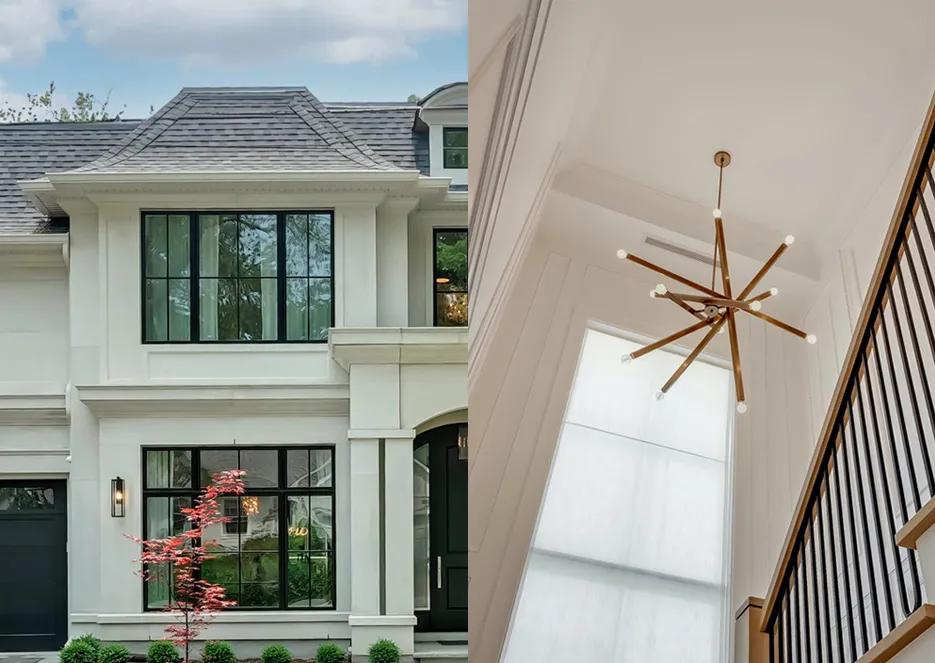
A luxury home comes together through clear planning, steady collaboration, and informed financial decisions. Turning ideas into a livable space means aligning design, budget, and long-term goals from the start. The right design team helps translate how you want to live into spaces that feel purposeful, comfortable, and enduring.
Thoughtful planning also includes performance and sustainability. Energy-efficient systems, durable materials, and well-integrated technology reduce long-term costs while supporting daily life without adding complexity. These choices are most effective when considered early, not added as afterthoughts.
Understanding luxury home costs in Ontario helps keep expectations grounded. A complete budget goes beyond construction to include land, design, permits, landscaping, and ongoing maintenance. High-end features require careful planning, but when chosen intentionally, they add lasting value.
With preparation in place, momentum builds. Clear communication and regular reviews keep the process steady and rewarding.
If you are considering a custom home and want clarity around budgeting and planning, speak with Chatsworth Fine Homes to begin the conversation with confidence.
Frequently Asked Questions
What should I consider when budgeting for a luxury home?
When planning your budget for a luxury home, think about factors like location, property size, and long-term maintenance costs. It’s also important to account for additional expenses such as high-end finishing, landscaping, and home automation.
How can I effectively save for a luxury home?
To save up for a luxury home, create a specific savings plan. Set clear goals, cut unnecessary expenses, and consider a separate savings account for your luxury home fund to help you track your progress.
What financial aspects should I focus on beyond the purchase price?
Beyond the price of the home, pay attention to ongoing costs like property taxes, insurance, utilities, and maintenance. Also, consider the impact of homeowners association (HOA) fees if applicable.
How can I ensure my budget stays realistic during the home buying process?
To keep your budget realistic, regularly review your financial situation and adjust your expectations based on changing market conditions and personal circumstances. Avoid impulse decisions and seek professional advice when necessary.
Should I involve a financial advisor when planning for a luxury home?
Yes, involving a financial advisor can be beneficial. They can help you understand your financial position, set achievable goals, and create a comprehensive plan that includes budgeting for both the purchase and ongoing expenses.
TL;DR
Budgeting for a custom home does not limit creativity. It protects it. With thoughtful planning, spring financial clarity, and a strong pre-construction process, luxury and confidence can exist together. When budgets align with lifestyle goals, building becomes a rewarding and grounded experience.