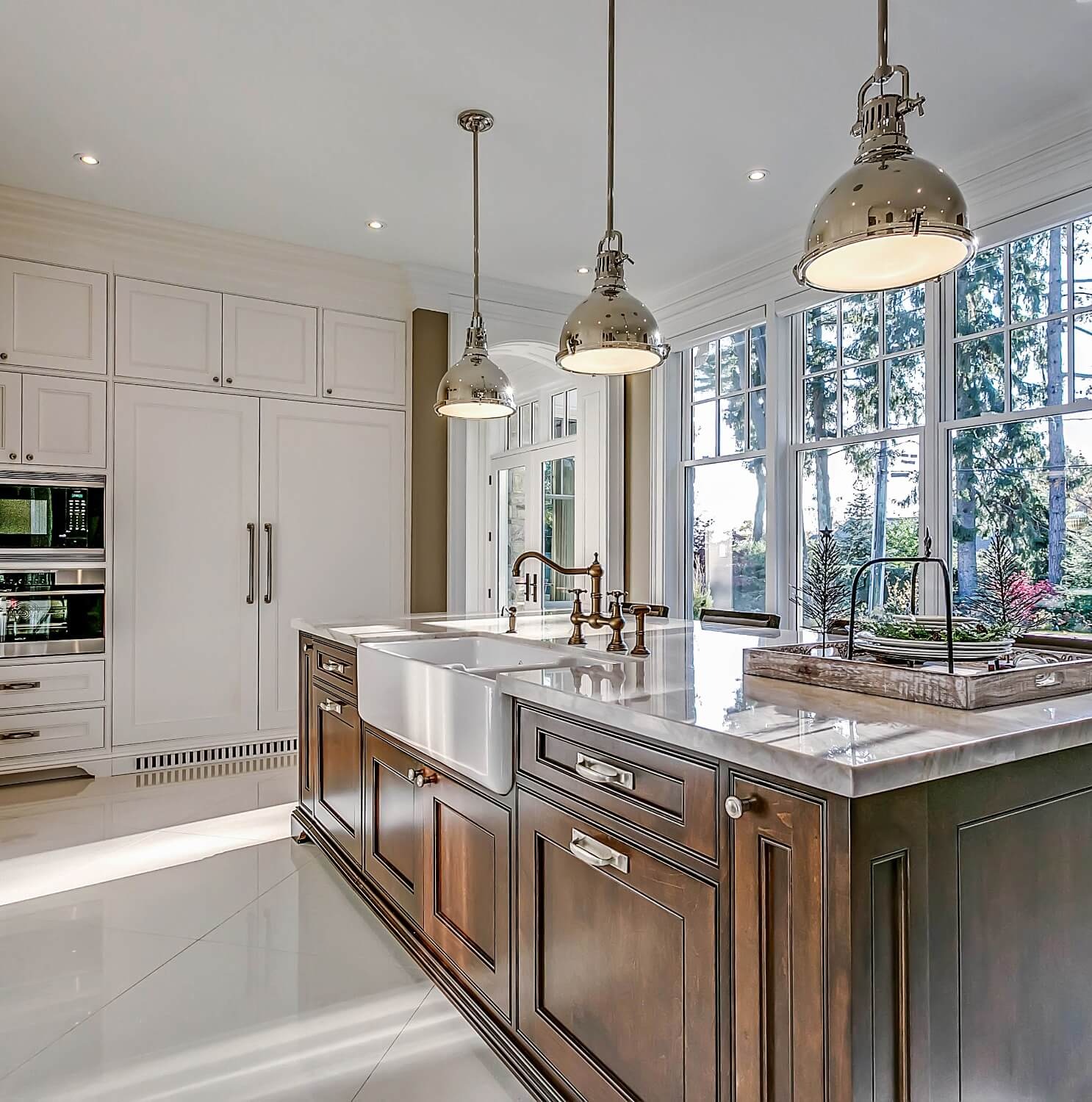
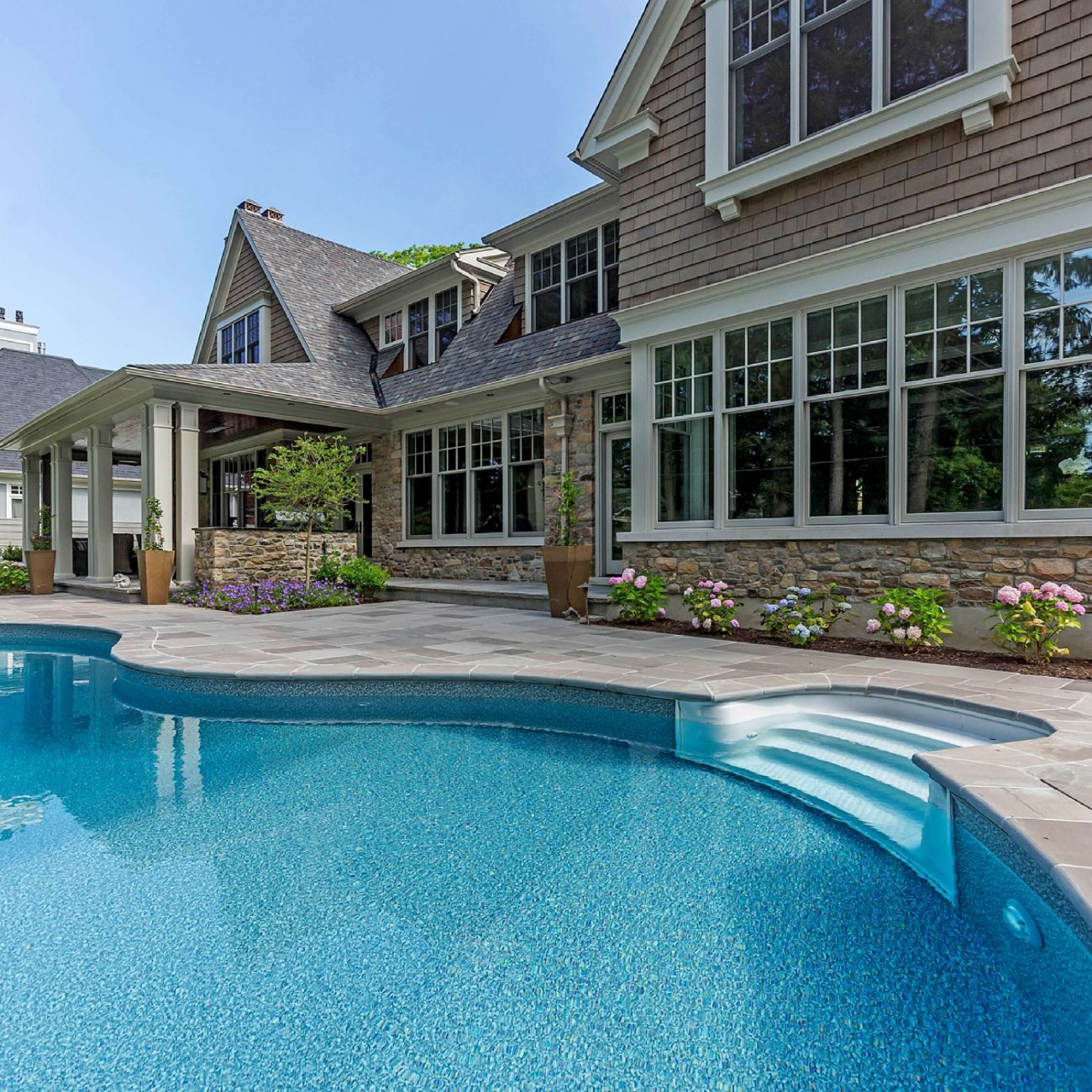
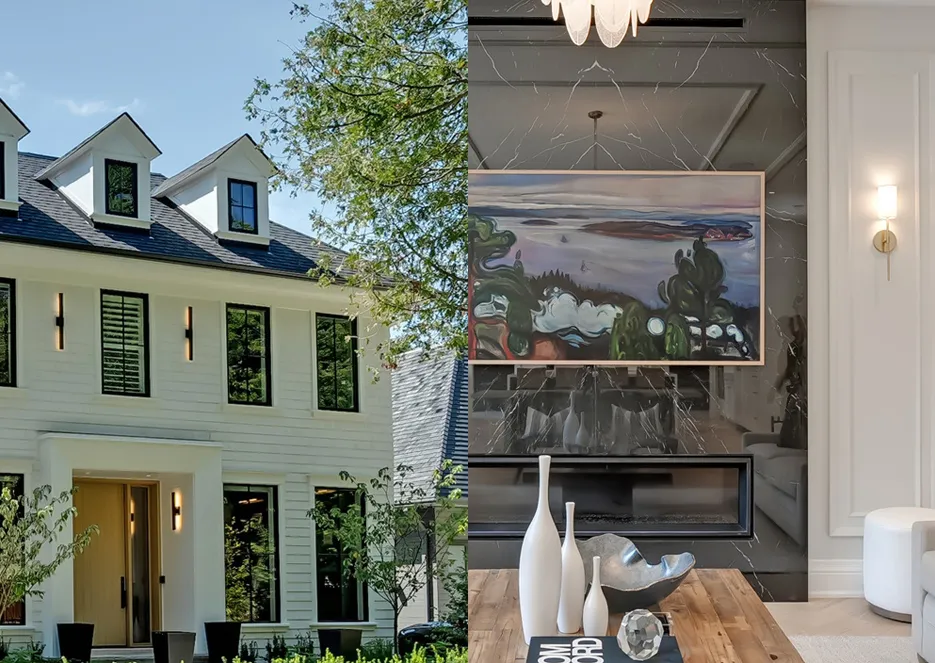
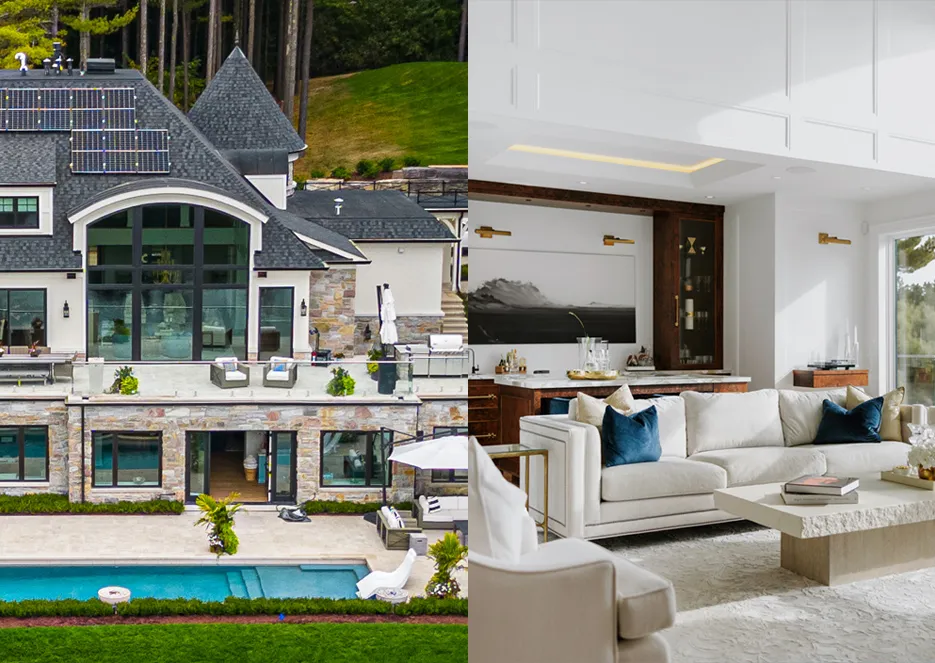
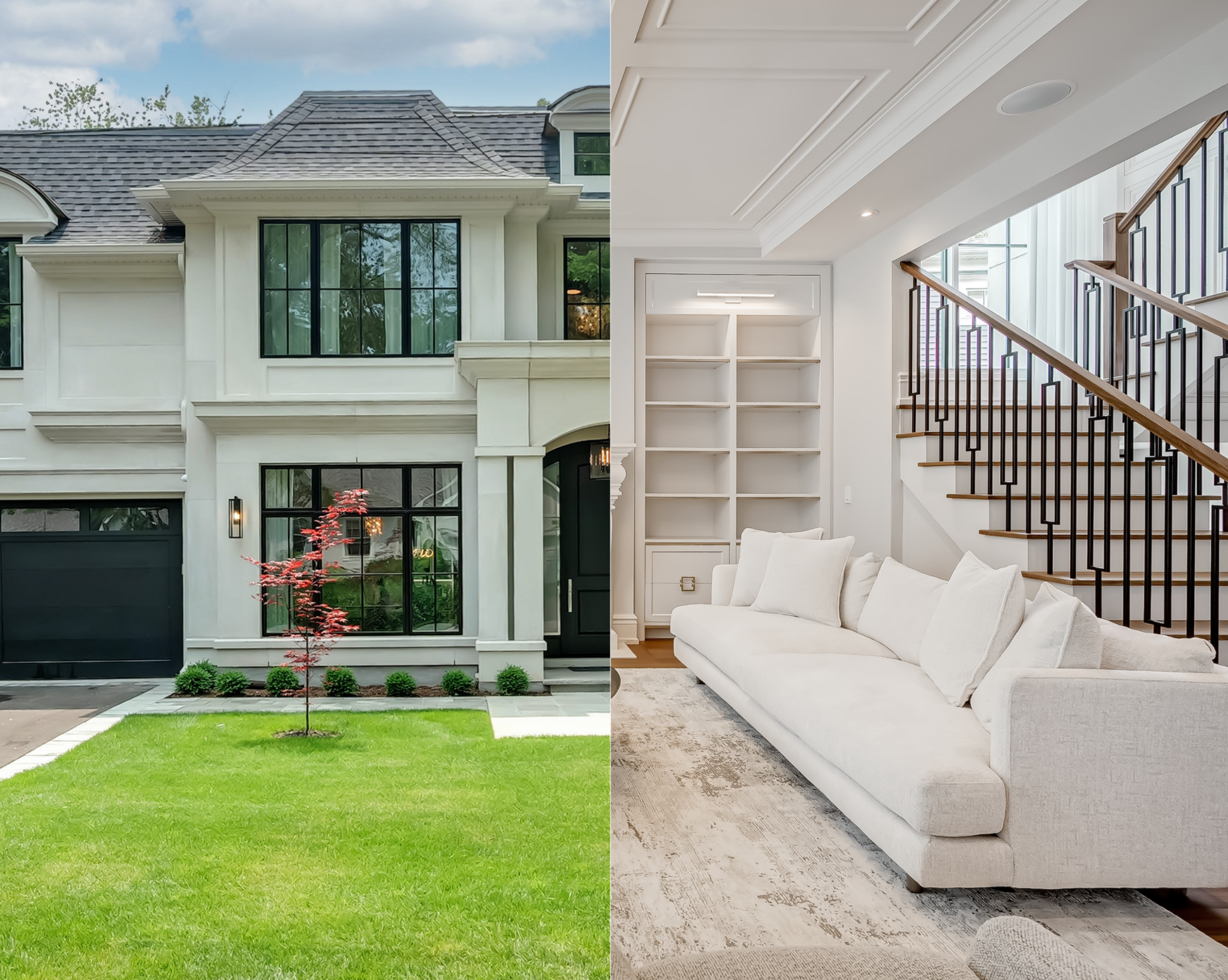
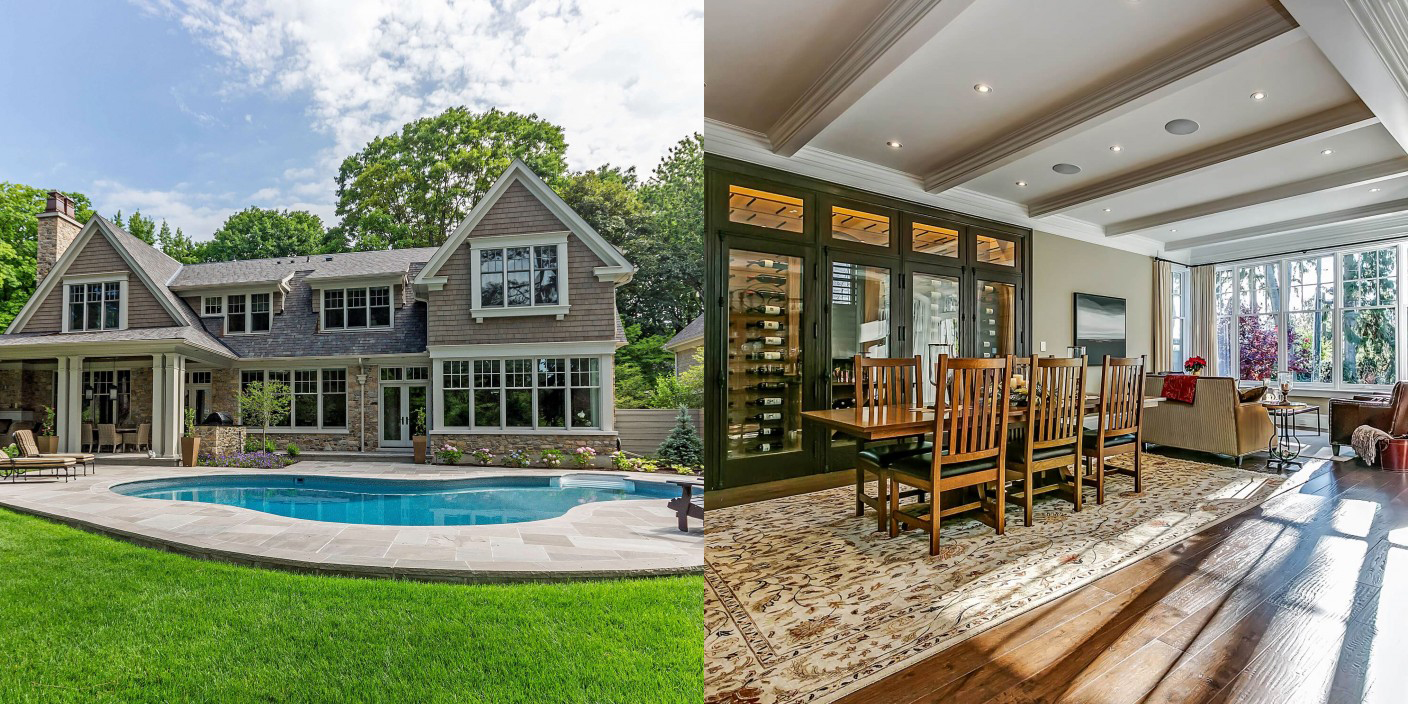
Looking ahead to 2026, luxury custom homes are moving toward a richer, more intentional way of living. Homeowners are asking for spaces that feel personal, calming, and deeply connected to the natural world. Expectations are rising around immersive interiors that support wellness, with organic materials, layered textures, and designs that bring in more daylight and greenery. Technology is also reaching a new level, with next-gen smart systems that feel intuitive and invisible, giving homeowners effortless control over comfort and security. These trends are essential in exploring luxury home design ideas that prioritize both aesthetics and functionality.
At the same time, clients want materials with character. Natural stone, hand-finished surfaces, and artisan craftsmanship are becoming hallmarks of high-end architecture in 2026. Sustainability is no longer an optional upgrade. Net-zero thinking, healthier materials, and efficient building practices are shaping what luxury means today.
As part of these evolving trends, luxury home design ideas are being integrated to enhance the living experience, making homes not just beautiful but also a reflection of personal wellness.
These shifts point to a future where beauty, performance, and personal comfort come together, allowing homeowners to create spaces that reflect how they want to live in the years ahead, and this is exactly where Chatsworth Fine Homes helps clients build with confidence and clarity.
Why 2026 Matters for Luxury Homes
The luxury home market is set for meaningful change in 2026. A growing number of high-net-worth buyers is reshaping expectations, not only through increased spending power but through a stronger focus on wellness, lifestyle, and responsible design. Homeowners want spaces that support health and comfort, with thoughtful layouts, natural light, and materials they can trust. Transparency and sustainability remain top priorities, driving interest in eco-friendly construction and energy-efficient systems.
Technology will continue to elevate daily living. Smart home integration, automation, and intuitive controls are becoming standard features, offering homeowners a smoother and more personalized experience. Multi-generational living is also influencing design, with flexible floor plans that balance connection and privacy.
On the design side, luxury homes are moving toward a blend of classic and contemporary styles, shaped by global influences and the desire for character. Travel, culture, and personal expression are guiding aesthetic choices, while experiential living is becoming an important consideration. Buyers want homes that feel meaningful, not just impressive.
Together, these shifts make 2026 an important year for luxury real estate. The market is aligning more closely with how people want to live: healthier, smarter, more connected, and more intentional.
Immersive, Human-Centered Interiors
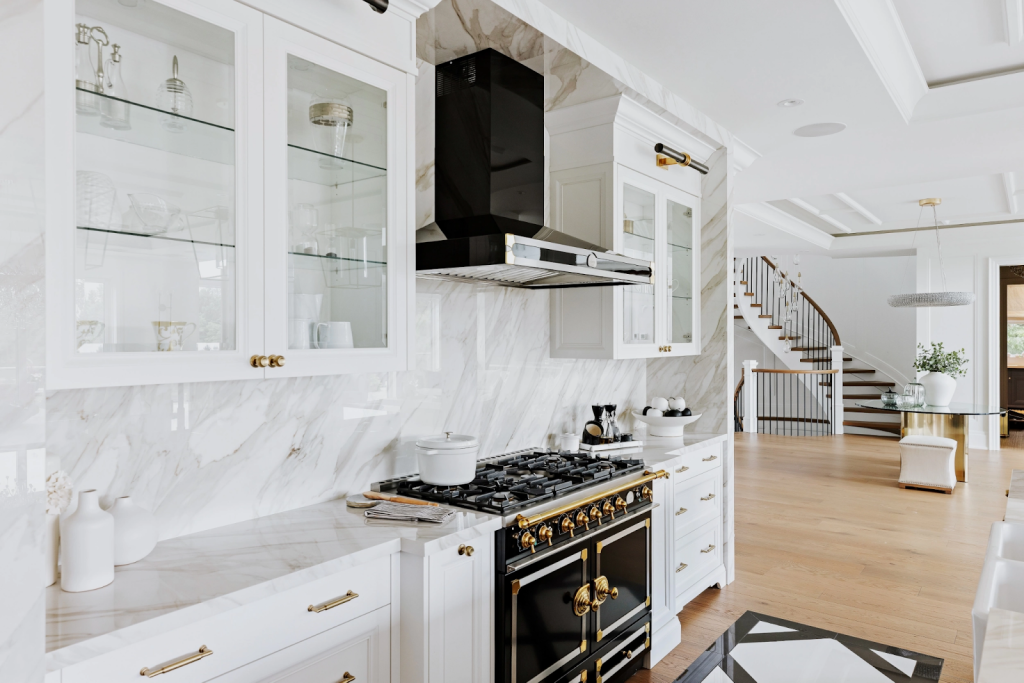
In 2026, the focus on immersive, human-centered interiors is set to reshape how we experience our living spaces. Homeowners will increasingly turn to color psychology to create inviting environments, using hues that elevate mood and foster a sense of well-being. Natural light plays a vital role, with large windows and open layouts designed to enhance energy and improve overall mental health. Spaces will be designed to be flexible, allowing for seamless transitions between relaxation, work, and social activities, ensuring that each area of the home serves multiple purposes.
Personalization will be key, with the integration of art and personal items that reflect individual tastes and stories. This will create a unique atmosphere that resonates with the inhabitants. Acoustic comfort will also be prioritized, with sound-absorbing materials employed to minimize noise and cultivate a peaceful ambiance. Home designs will include distinct zones for relaxation, work, and socializing, each crafted to meet the specific needs of the homeowner.
Texture will stimulate tactile experiences, enhancing the sensory connection to the space. Views of the outdoors will be maximized, connecting residents with nature and promoting mindfulness. Finally, collaboration with local artisans to create unique design elements will add character and authenticity, making each home not just a living space, but a personal sanctuary.
Next-Gen Smart Home Integration
By 2026, smart home technology will transform luxury living, combining convenience, efficiency, and wellness like never before. Voice-activated systems will allow hands-free control of lighting, climate, and entertainment, while smart appliances adapt to daily routines—imagine a refrigerator suggesting recipes based on your ingredients or an oven preheating itself automatically. Home automation will also optimize energy use, lowering costs and reducing environmental impact.
Health and wellness will be seamlessly integrated, with devices tracking key metrics and alerting homeowners to potential concerns. Advanced security systems will provide real-time monitoring and remote access through mobile devices, offering both safety and peace of mind. Fully connected systems will ensure smooth operation across all devices, from thermostats to cameras, managed through intuitive interfaces.
Eco-friendly technology will remain central, enabling sustainable luxury without compromise. Scalable solutions will future-proof homes, keeping them up-to-date as smart technology continues to evolve.
Key Features:
- Voice-activated control for lighting, climate, and entertainment
- Smart appliances that learn and adapt to routines
- Energy-efficient home automation
- Integrated health monitoring for wellness tracking
- Advanced security with real-time alerts and remote access
- Seamless interconnectivity among devices
- User-friendly interfaces for effortless management
- Eco-friendly systems that reduce carbon footprint
- Scalable technology for future-proof homes
Tactile Luxury: Natural Stone & Artisan Materials
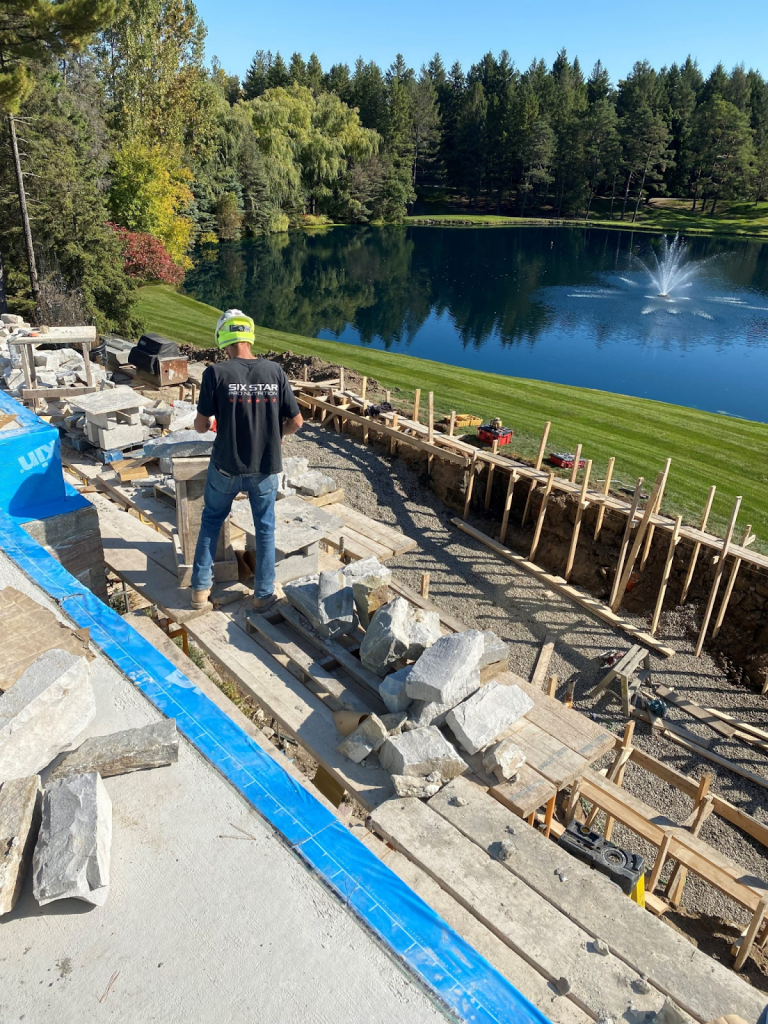
In 2026, luxury homes will shine with tactile luxury, emphasizing the use of natural stone and artisan materials. Homeowners will increasingly seek reclaimed materials, giving spaces a unique aesthetic while promoting sustainability. By incorporating local materials, these homes will support regional artisans, ensuring that each home tells a story connected to its surroundings. Durability and longevity will be central to material choices, with homeowners opting for timeless finishes that age gracefully over time.
Custom designs will feature hand-crafted finishes, allowing for a personal touch that reflects individual tastes. Mixing different textures will add visual interest and depth, whether it’s the contrast of smooth marble against rugged wood or sleek metal accents juxtaposed with warm glass elements. This focus on craftsmanship will elevate every detail, creating spaces that feel both luxurious and intimate. Low-maintenance yet high-end finishes will become a priority, balancing elegance with practicality. As transparency in sourcing and production practices grows, homeowners will be more informed about the origin of their materials, making choices that align with their values.
Sustainability Upgrades That Feel Premium
Sustainability is becoming a core feature of luxury homes, and by 2026 it will influence both design and performance. High-end homeowners want upgrades that look refined and also reduce environmental impact.
Energy-efficient appliances, smart energy management, and passive design strategies are leading this shift. These features lower energy use while keeping comfort levels high. Outdoors, sustainable landscaping and rainwater harvesting help maintain beautiful gardens with less water and upkeep. Solar power is also becoming a standard choice for clean, reliable energy.
Inside, healthier materials such as low-VOC paints and advanced insulation improve air quality and thermal comfort. Energy-efficient windows and doors support both aesthetics and performance. More homeowners are choosing locally sourced materials as well, which reduces environmental impact and supports regional craftsmanship.
These upgrades show that luxury and sustainability work together, offering a home that feels modern, comfortable, and responsible.
| Sustainability Upgrade | Description | Impact on Luxury Homes |
| High-Efficiency Appliances | Investment in energy-saving appliances that reduce overall energy consumption | Minimizes utility costs while maintaining luxury standards |
| Sustainable Landscaping Techniques | Implementing eco-friendly landscaping practices that require less water and maintenance | Enhances curb appeal and promotes eco-conscious living |
| Rainwater Harvesting Systems | Using systems to capture and reuse rainwater for irrigation | Reduces reliance on municipal water supply, promoting sustainability |
| Smart Energy Management Systems | Integrating technology to monitor and manage energy consumption effectively | Improves energy efficiency and enhances overall comfort |
| Passive Design Principles | Designing homes to take advantage of natural elements for heating and cooling | Reduces energy demand, creating more sustainable living environments |
| Solar Energy Utilization | Incorporating solar panels to power homes with renewable energy | Offset energy costs and demonstrate a commitment to sustainability |
| Low-VOC Paints and Finishes | Selecting paints and finishes that emit low volatile organic compounds | Improves indoor air quality while maintaining high aesthetic standards |
| Advanced Insulation Techniques | Utilizing innovative insulation materials that improve thermal comfort | Enhances energy efficiency without compromising luxury |
| Energy-Efficient Windows and Doors | Installing windows and doors that minimize heat loss or gain | Contributes to energy savings and increases home comfort |
| Supporting Local Economies | Sourcing sustainable materials from local suppliers and artisans | Promotes community engagement and supports regional economies |
Designs That Embrace Connection
Luxury homes in 2026 will focus on designs that promote connection among family members. Expect communal spaces where families can gather, such as spacious living rooms and inviting outdoor kitchens, perfect for entertaining. Private areas will still be essential, but they will be designed with easy access to shared areas, allowing for both privacy and interaction.
Flexible layouts will adapt to changing family needs, providing room for activities together, like crafting or game nights. Technology will play a key role, with smart systems facilitating communication among family members, making it easier to stay connected. Outdoor living spaces will encourage time spent in nature, enhancing overall well-being. Incorporating elements that promote collaboration and teamwork, these designs will create environments that support a healthy balance of social interaction and personal space.
How Chatsworth Helps Clients
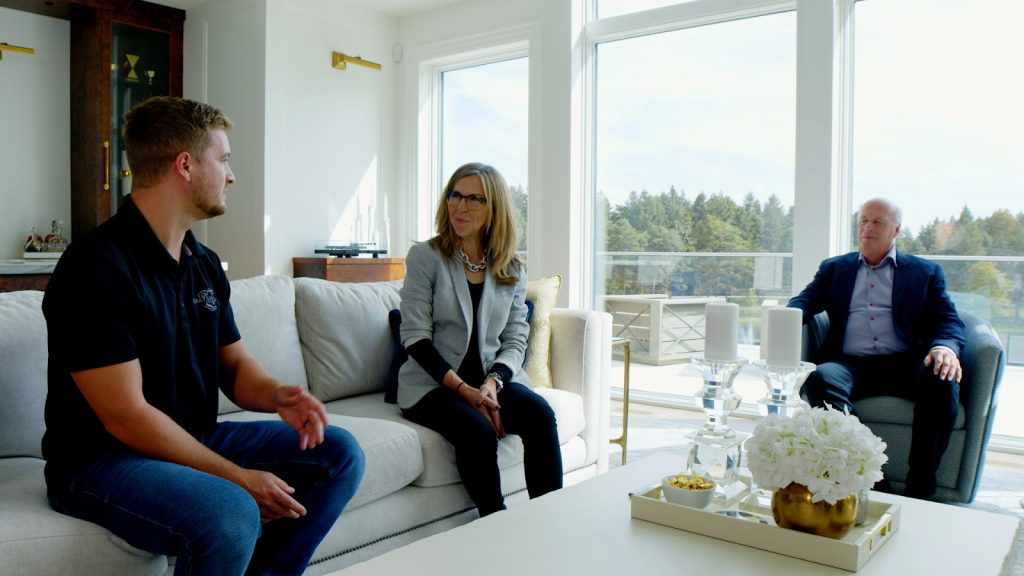
Building a custom home is a deeply personal experience, and at Chatsworth Fine Homes we treat it that way. Every project begins with a thoughtful conversation. We take the time to understand how you live, what inspires you, and what you want your home to feel like. This allows us to shape a design that supports your daily routines while capturing the beauty and comfort you imagine.
Our team guides you through each choice, from natural materials with character to the latest sustainable technologies that make your home healthier and more efficient. Clients often tell us how reassuring it feels to have clear budgets, timelines, and expert advice at every step. We know that transparency builds trust, and we make sure you always feel grounded and confident in your decisions.
We partner with exceptional artisans and trusted suppliers who share our standards for craftsmanship. Whether it is a hand-finished feature wall, a custom staircase, or stonework that anchors a space, these details bring your home to life in a way that feels truly yours.
Throughout the journey, we stay closely connected, refining ideas and responding to your feedback so the final result reflects your lifestyle today and where it is headed. With Chatsworth, you are not just building a luxury home. You are creating a place that supports your family, expresses your taste, and stands ready for the future.
Start Building Your Future Home
The future of luxury living is shifting toward comfort, wellness, and thoughtful design. Homeowners want spaces that feel meaningful and beautifully made, with natural materials, intuitive technology, and layouts that support how families live today. As 2026 approaches, the homes that stand out will be the ones that blend beauty with purpose and craftsmanship with performance.
If you are thinking about upgrading your home or starting a new custom build, this is the moment to plan with intention. A well-designed home can shape the way you feel every day. It can bring your family closer, give you a deeper sense of calm, and offer the kind of long-term value that comes from quality.
At Chatsworth Fine Homes, we guide you through each decision with clarity and care, making the entire experience feel grounded and inspiring. When you want a home that reflects your taste and supports the life you imagine, our team is here to help you bring that vision to life.
Ready to design a home that feels truly yours? Reach out to Chatsworth Fine Homes and start your journey with a team that understands the difference thoughtful craftsmanship can make.
Frequently Asked Questions
What are some popular architectural styles for luxury homes in 2026?
In 2026, we’re likely to see a blend of modern and traditional styles. Expect elegant contemporary designs, along with elements of classic styles like Mediterranean and Craftsman, which bring comfort and history to new homes.
How is technology influencing luxury custom homes in 2026?
Technology is playing a huge role in luxury homes. Smart home features like automated lighting, security systems, and energy-efficient appliances are common. Plus, innovative home entertainment systems are expected to enhance everyday living.
What eco-friendly trends should we watch for in luxury homes in 2026?
Sustainability is becoming more important. In 2026, luxury homes might include solar panels, green roofs, and energy-efficient materials. Homeowners will likely prioritize features that lower their carbon footprint while maintaining style.
How will outdoor spaces be designed in luxury homes of 2026?
Outdoor areas are becoming extensions of our living spaces. Expect luxurious outdoor kitchens, cozy fire pits, and beautifully landscaped gardens. These areas will prioritize comfort, allowing families to enjoy nature in style.
What role will wellness play in the design of luxury homes in 2026?
Wellness design is a big focus, with features promoting health and relaxation. Expect home gyms, meditation spaces, and even air and water purification systems, creating a balanced environment for physical and mental wellbeing.
TL;DR In 2026, luxury homes will focus on immersive, human-centered interiors that enhance well-being, next-gen smart home systems for seamless living, and tactile materials like natural stone. Sustainability will be vital, with net-zero homes becoming standard, featuring eco-friendly materials and energy efficiency. Designs will cater to multi-generational living, promoting connection while ensuring privacy. Chatsworth offers expertise in navigating these trends, helping clients create luxurious spaces that reflect their values and enhance their quality of life.